 SOUTH COAST
Professional Opinion
After being a Hygienist for 24 years, I have seen a variety of cases with different grades of infections. Patients losing their teeth due to poor oral hygiene and the lack of information on the proper care of their gums and teeth is very common. I also believe that raising awareness in the medical office is a must. A dental check up minimum twice a year should be part of our annual health rituals to prevent and maintain optimal oral and overall health. In my long dental career, I have only gotten 5 referrals from medical doctors referring their patients for dental evaluations, and it should be a must for every patient that visits his medical doctor.
We are one entity; our mouths and body are interconnected in many ways using the vascular system for instance as a passage for infection.. Our mouth is an open door for many bacterias floating in our bodies. The amount and the age of the bacteria in our mouth exacerbates oral infections, which if not treated can lead to sepsis or death. Practicing good oral hygiene on a daily basis with mouthwash, flossing and brushing every day should be a must before you go to sleep. Our salivary glands shut down at night and our mouth is dry which makes a perfect environment for bacteria to go to work causing cavities and gum disease. Plaque is a soft white substance composed of bacteria and food particles.It calcifies in 24 hours, and bacteria is always present in our mouth. As it sits and ages in your mouth as it produces toxins that float in our bloodstream traveling to our heart or brain and other parts of our body.
Enamel makes the outer shell of our teeth, and it is the hardest bone in our bodies.
Bacteria produce acids from the sugars in our food converting it to acid and dissolving the tooth;therefore causing a cavity on the tooth. Rinsing or Brushing your teeth is recommended after every meal to prevent this process of decalcification. Brushing twice with a fluoridated toothpaste is highly recommended to prevent cavities. Flossing once a day is also important to prevent gum disease and cavities. Cavities can be on any surface of the teeth, especially in between teeth as most patients don't floss daily. Having the proper flossing technique is very important to preventing oral problems. In my career I have found that most patients do not floss efficiently to prevent disease.
Cavities are a disease of the tooth, that if left untreated, it will grow affecting the nerve. Leading to tooth infection of the nerve. These infections can be painless depending on the patient’s teeth environment. Most of the time these are the most painful, causing pain radiating to your head, ear or jaw depending on the location. Patients’ with Diabetes, cancer, immunocompromised and elderly are more susceptible to dental infections. Infections do not disappear like magic, patients need to get treated with antibiotics and dental treatment to fix the affected area and resolve the infection. Untreated infections grow within our facial structures damaging teeth, gum and bone. If left untreated, it will allow it to expand into the bloodstream and eventually surrounding organs.
Gum Disease
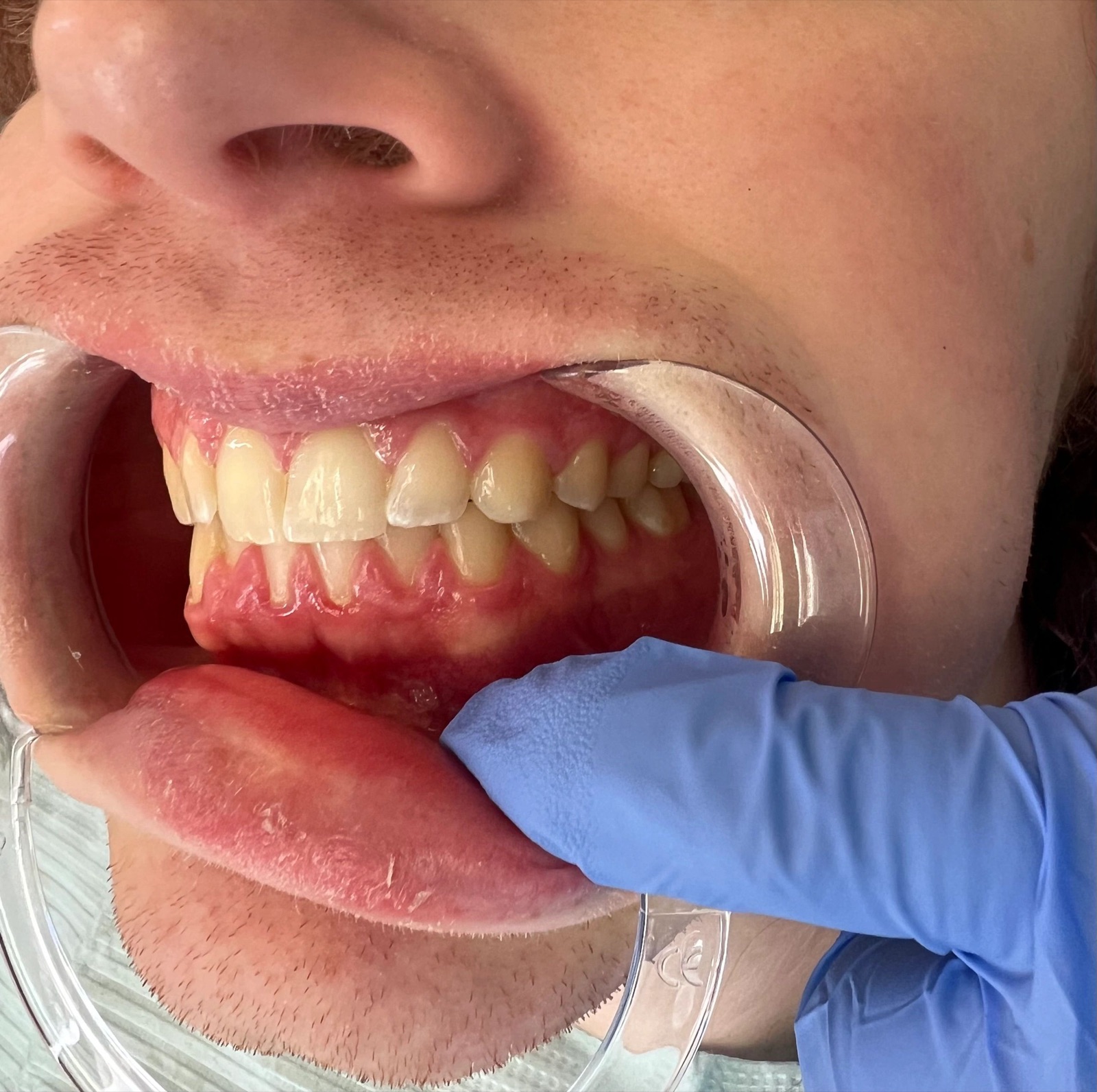
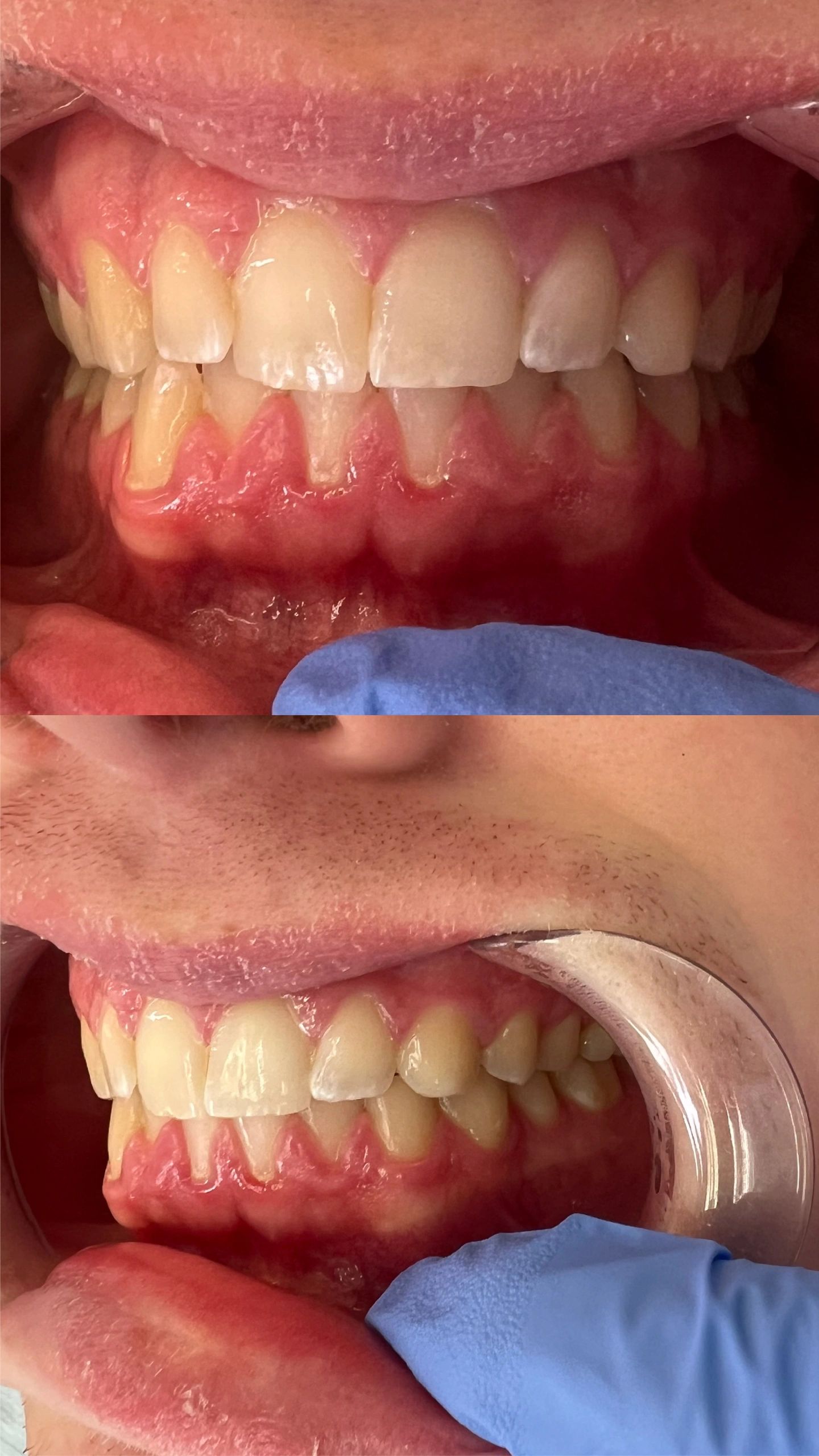
Gum Disease is one of the most common diseases in our population today. This Disease is very prevalent in patients of all ages, because it is painless.It can be prevented by using antibacterial mouthwash, twice a day and flossing minimum once a day. The dental floss is the only tool we have that can penetrate below the gumline and remove the bacteria colonies forming around the tooth.
There are 2 types of gum diseases, Gingivitis and Periodontitis:
Gingivitis is the inflammation, redness and bleeding we see when we brush our teeth, and it is curable. Periodontitis is the loss of bone surrounding the teeth, therefore teeth become loose. At this point is when patients have pain, and they have trouble eating. Both of these diseases can expand infecting all other teeth. Molars are harder to maintain, as it is difficult to reach; therefore that is where disease starts. Gingivitis left untreated progresses into periodontal disease, beginning with the loss of teeth.
Dental infections, often originating from untreated cavities, gum disease, or dental trauma, can lead to severe health complications if not promptly addressed. While modern dentistry and antibiotics have significantly reduced the mortality associated with these infections, they still pose serious risks, including death in extreme cases.
Understanding Dental Infections
A dental infection typically begins when bacteria invade the dental pulp—the innermost part of the tooth containing nerves and blood vessels. This invasion can result from deep dental caries, cracked teeth, or periodontal pockets. If the infection is not contained, it can spread beyond the tooth to surrounding tissues, leading to conditions such as dental abscesses.
Potential Complications
While many dental infections remain localized, there is a risk of the infection spreading to other regions, leading to life-threatening conditions:
- Deep Neck Infections: These occur when the infection extends into the deep tissues of the neck. Such infections have a reported mortality rate ranging from 1% to 25%.
- Mediastinitis: This severe condition arises when the infection spreads to the mediastinum, the central compartment of the thoracic cavity. Mediastinitis carries a high mortality rate of approximately 40%.
- Noma (Cancrum Oris): Predominantly affecting malnourished children in impoverished regions, noma is a rapidly progressing gangrenous infection of the mouth and face. Without treatment, it has a mortality rate of about 90%.
Historical Context
In the pre-antibiotic era, dental infections were a common cause of death, with fatality rates between 10% and 40%. The advent of antibiotics has drastically reduced these numbers, making deaths from dental infections rare in developed countries.
Modern-Day Considerations
Despite advancements, dental infections can still lead to severe outcomes, especially if left untreated. Factors such as delayed treatment, antibiotic resistance, and underlying health conditions can exacerbate the situation. For instance, immunocompromised individuals or those with uncontrolled diabetes are at a higher risk of complications from dental infections.
Preventive Measures
To minimize the risk of severe dental infections:
- Maintain Regular Dental Check-ups: Routine visits ranging from 3-6 months depending on the individual’s health risk and concerns allow for early detection and management of potential issues.
- Practice Good Oral Hygiene: Brushing twice daily, flossing, and using antiseptic mouthwash twice a day can reduce bacterial load in the bloodstream.
- Address Dental Issues Promptly: Early intervention for cavities, gum disease, or dental trauma can prevent the progression to more severe infections and even death.
- Manage Underlying Health Conditions: Controlling systemic conditions like diabetes can reduce susceptibility to infections.
In conclusion, while dental infections are often preventable and treatable, neglecting them can lead to severe, potentially fatal complications. Awareness, prompt treatment, and preventive care are essential to mitigate these risks.